




Part 2 of 5
Metal Detection
Gold, gem, water and security detectors and long-range locators.
Chapter 1 of 5
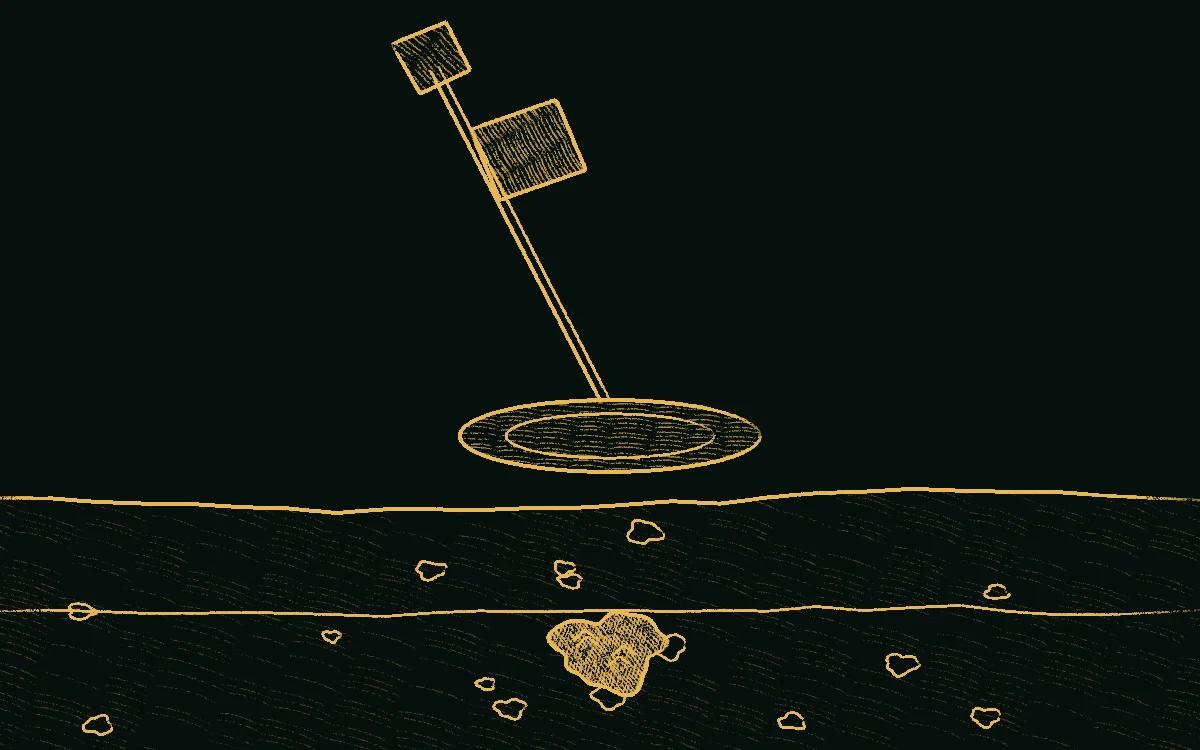
The ground looks empty.
Soil, stone and dust. Nothing on the surface says what lies below it.
- The surface. Stones and dust, much the same in every direction.
- Below it. Whatever is here is hidden from the eye.
So you send something into the ground that can sense it for you.
Chapter 2 of 5
The coil sends a pulse.
A pulse induction detector sends short magnetic pulses into the ground. A VLF detector sends a steady low-frequency signal.
- Search coil. Carries the current that makes the magnetic field.
- Magnetic field. Spreads through soil and stone into the ground.
- Hidden metal. Undetected until the field reaches it.
When the field reaches metal, something changes.
Chapter 3 of 5
Metal answers back.
The field sets off tiny currents in any metal it reaches. Those currents make a field of their own, and the coil picks it up.
- Eddy currents. Tiny currents start to flow in the metal.
- Returning field. The metal makes a weak field of its own.
- The coil listens. It picks up that weak field.
Now the signal has to become something you can use.
Chapter 4 of 5
The reading says where.
The control box turns that signal into sound and a reading, so you know where to stop.
- Display. Shows the strength of the signal.
- Controls. Adjust the detector to suit the ground.
- Tone. The sound changes as the coil passes over a target.
The reading says where. It can't say what.
Chapter 5 of 5
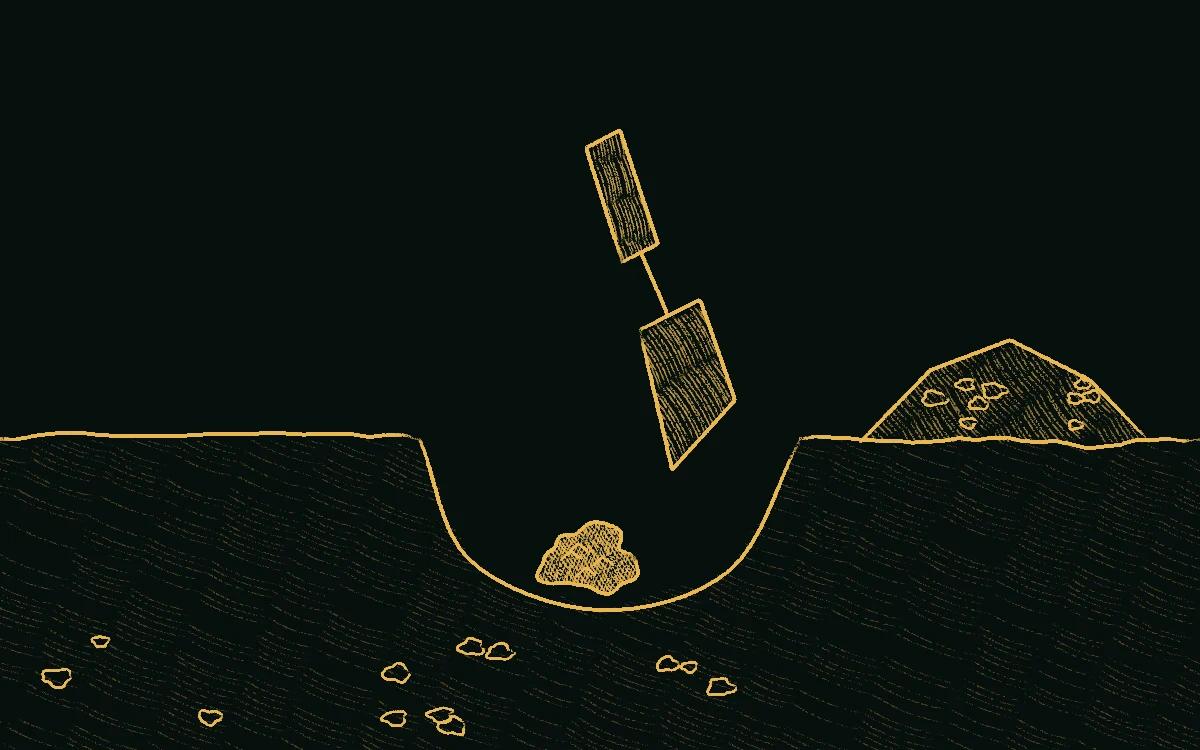
Then you dig.
Gold, silver or an old nail: only digging proves it. Buy a detector, or lease one for the season.
- Trowel. Dig with care, because the target can be small.
- The find. Gold, silver or an old nail: this is where you learn which.
- Spoil heap. Keep the soil together so you can fill the hole again.
What we supply for this
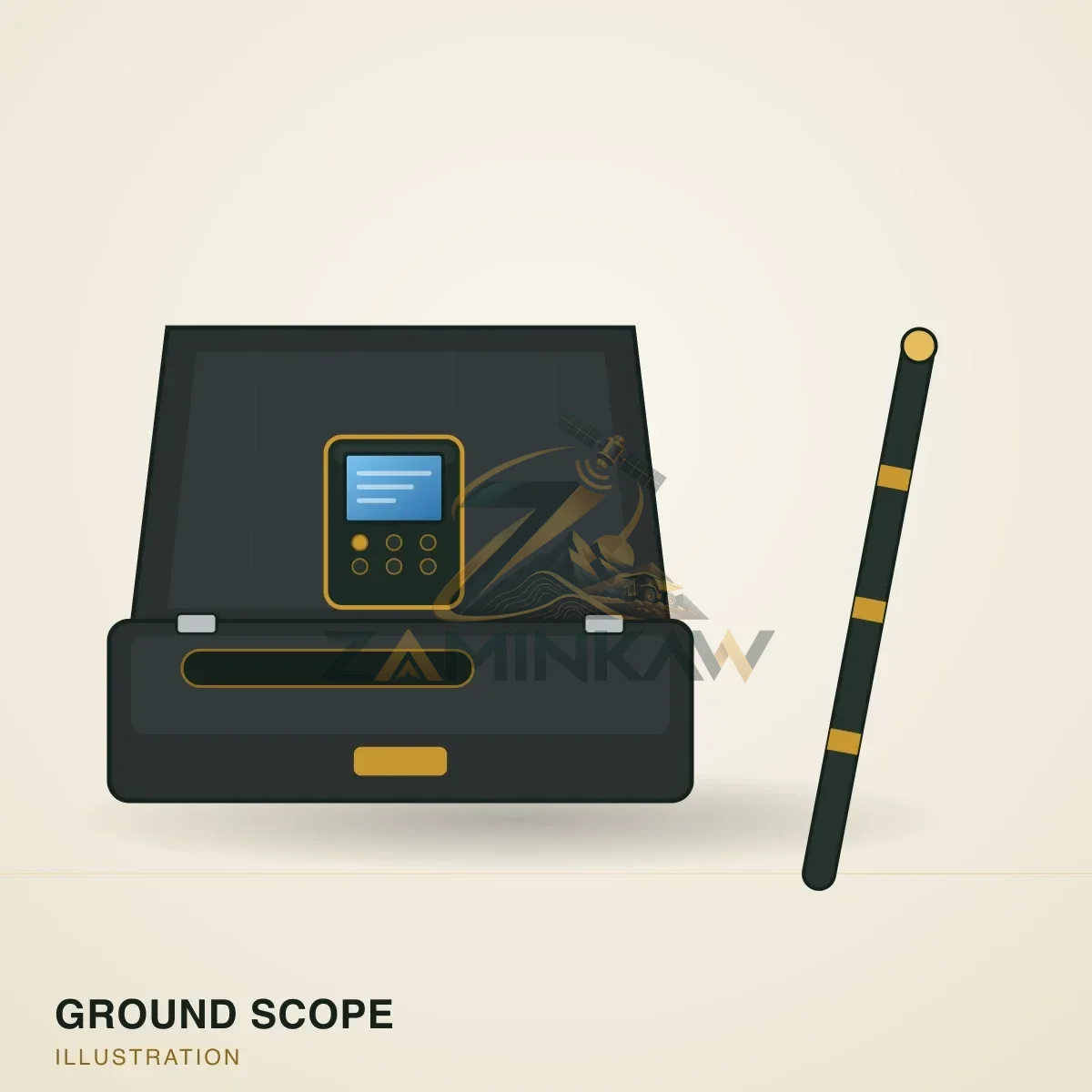
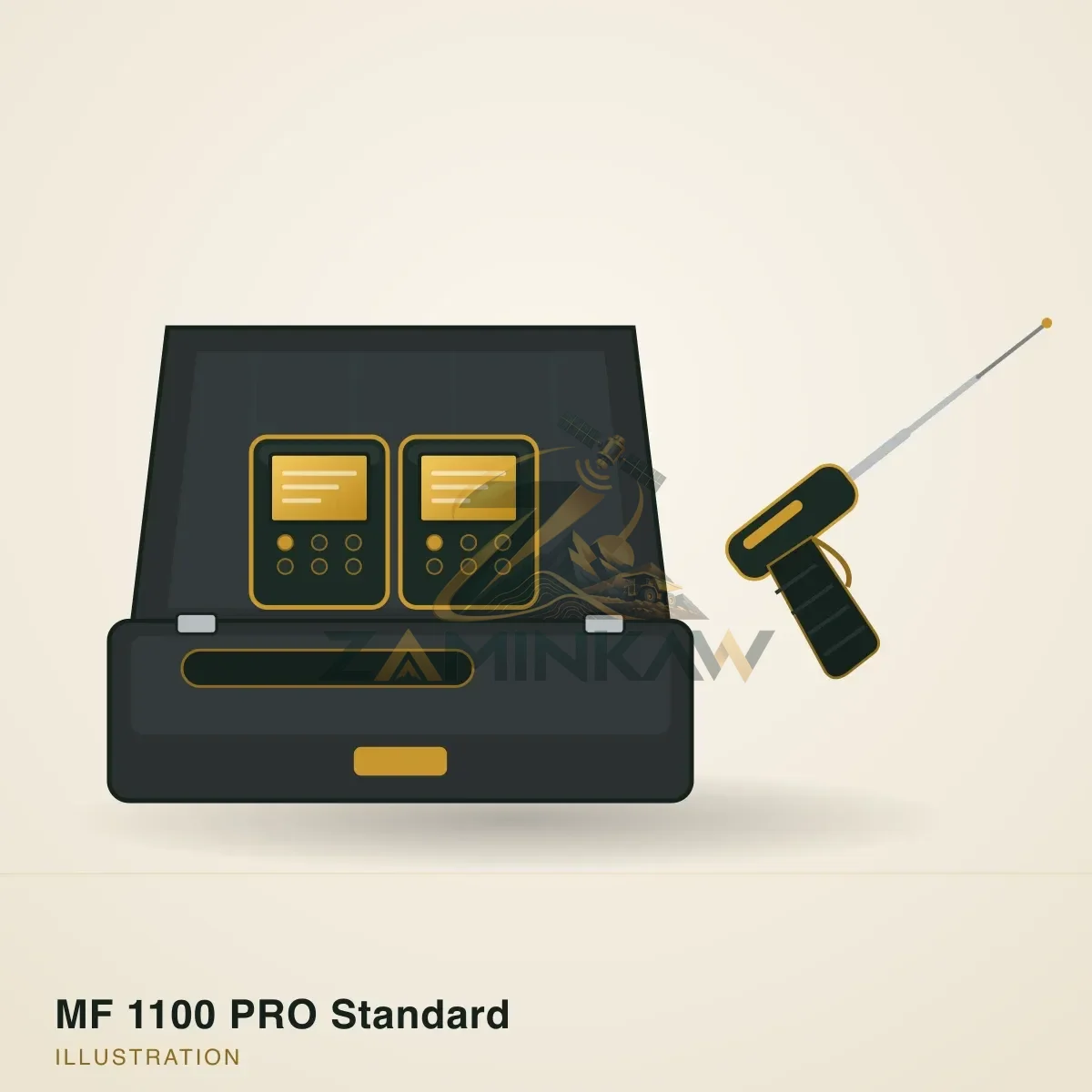

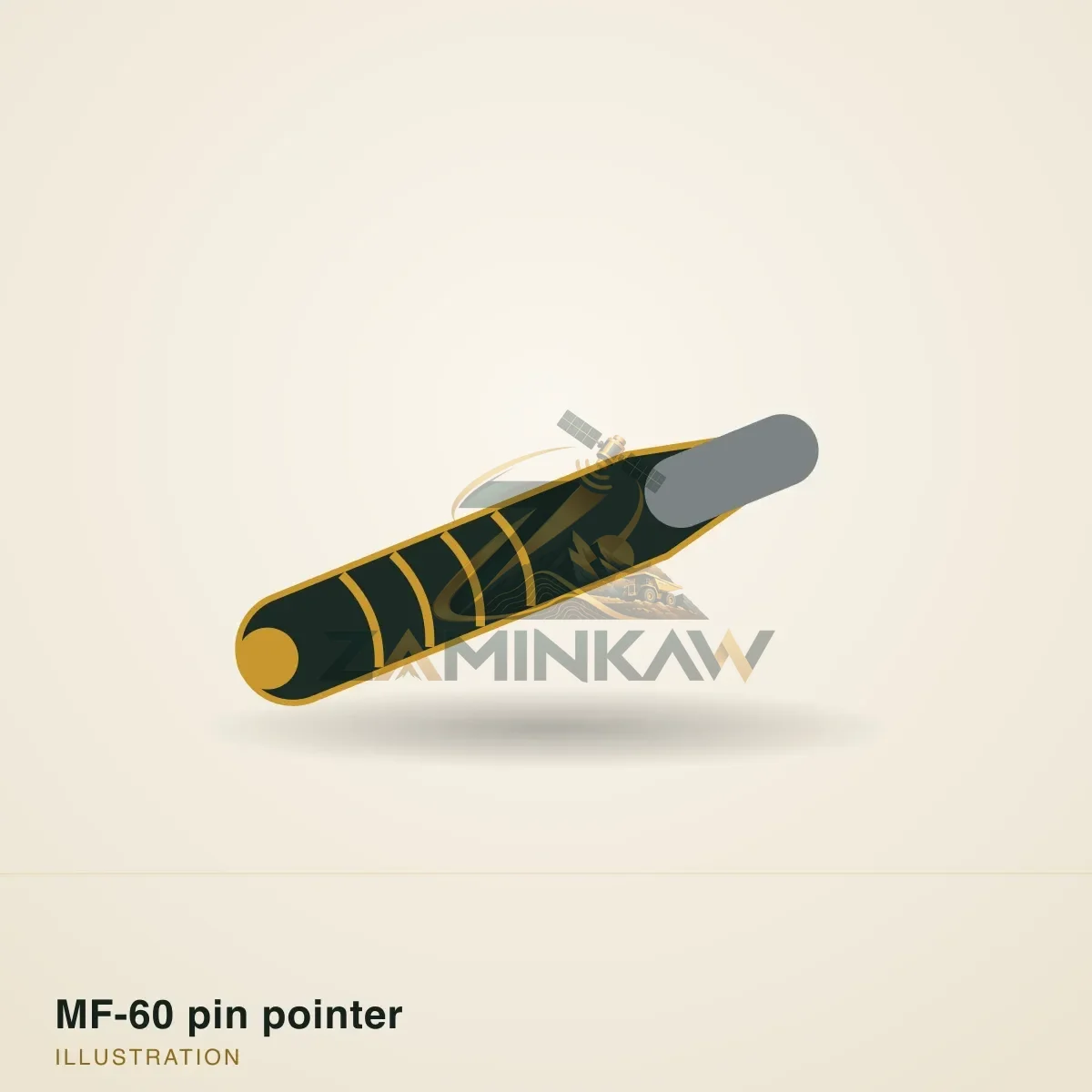
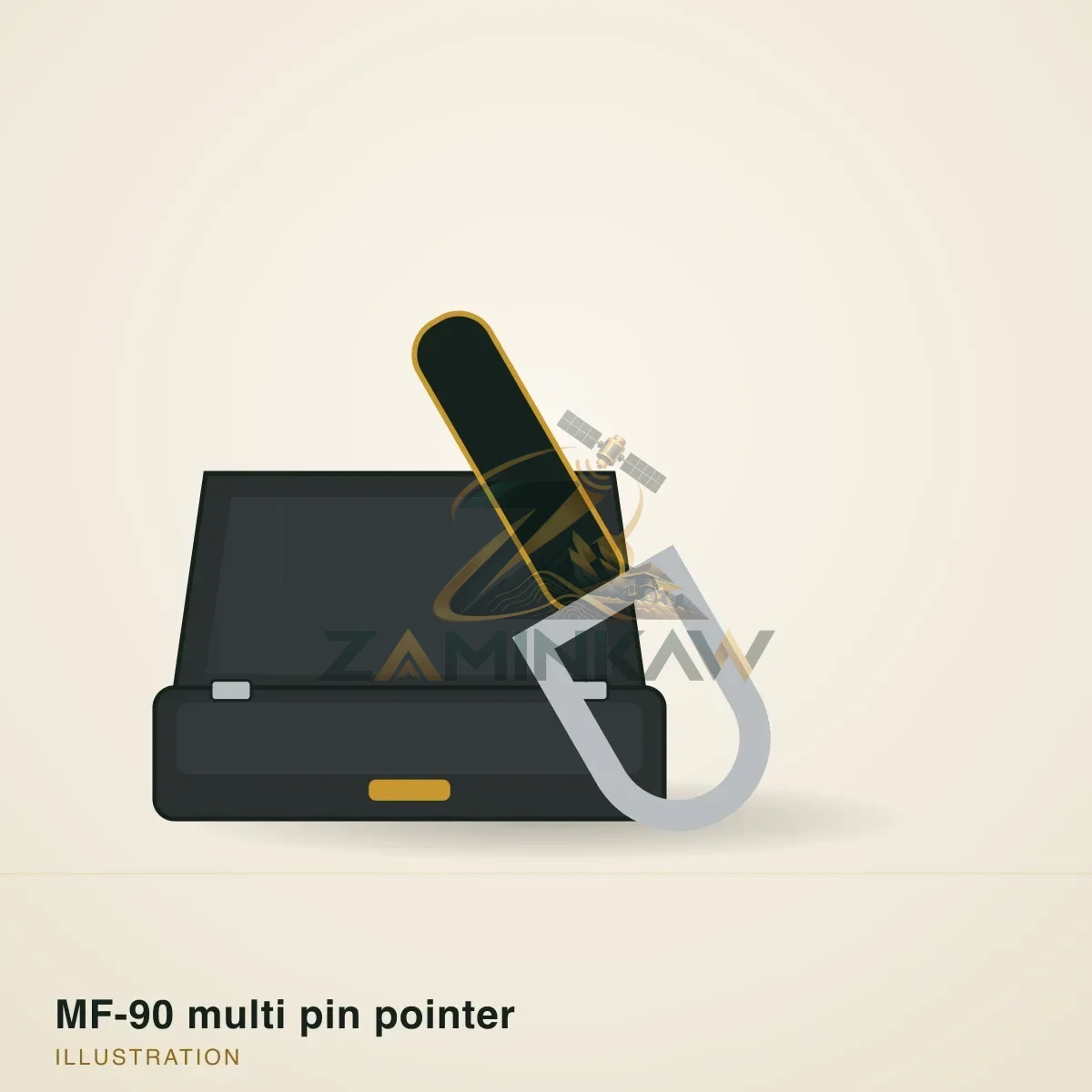


Talk to a specialist
Describe the site, the target and the timeline. We reply with a plan and a price.
Next in the story