

Part 4 of 5
Gold, Silver & Copper
Detect, assay and map precious and base metals, on the ground and from orbit.
Chapter 1 of 4
Gold stays bright.
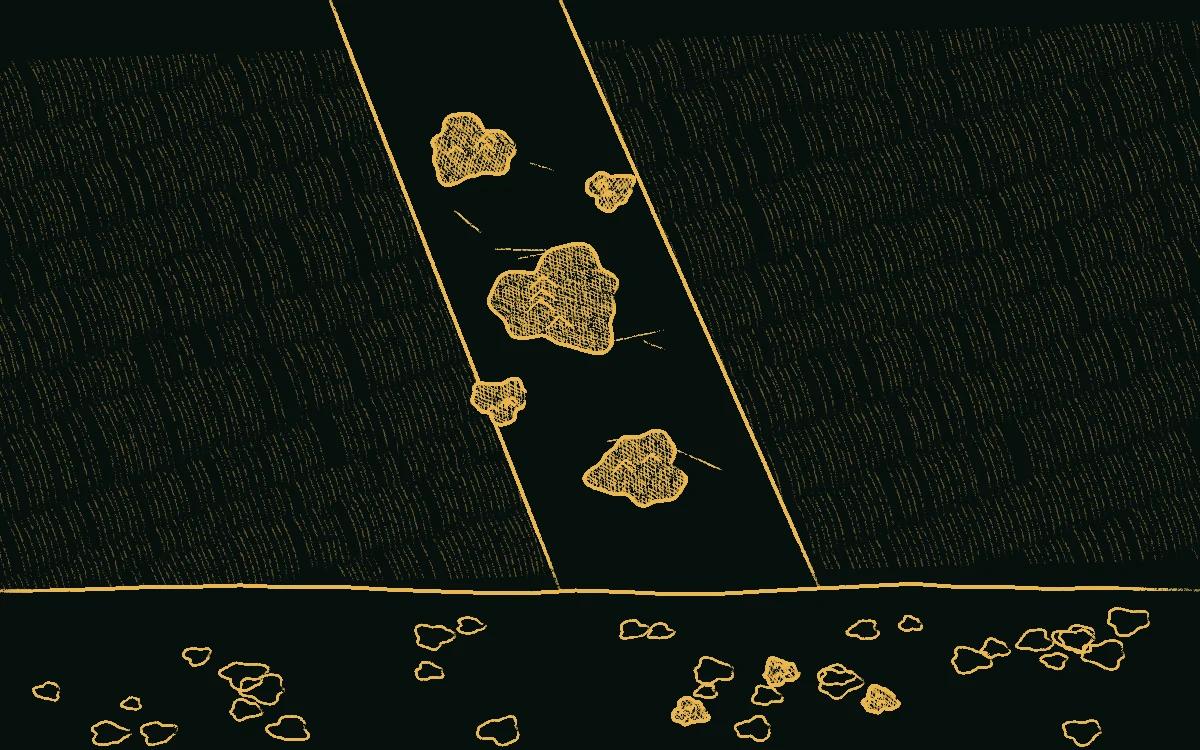
It often sits in quartz veins, or washes out of them into river gravel. It doesn't tarnish, so it still shines after ages in the ground.
- Quartz vein. Hot fluids filled a crack in the rock and left quartz and gold behind.
- Gold. Native metal, so it stays bright instead of tarnishing.
- River gravel. Water wears the vein down and carries heavy gold into the gravel.
Gold is easy to recognise once you see it. Silver is harder to find.
Chapter 2 of 4
Silver hides in other ores.
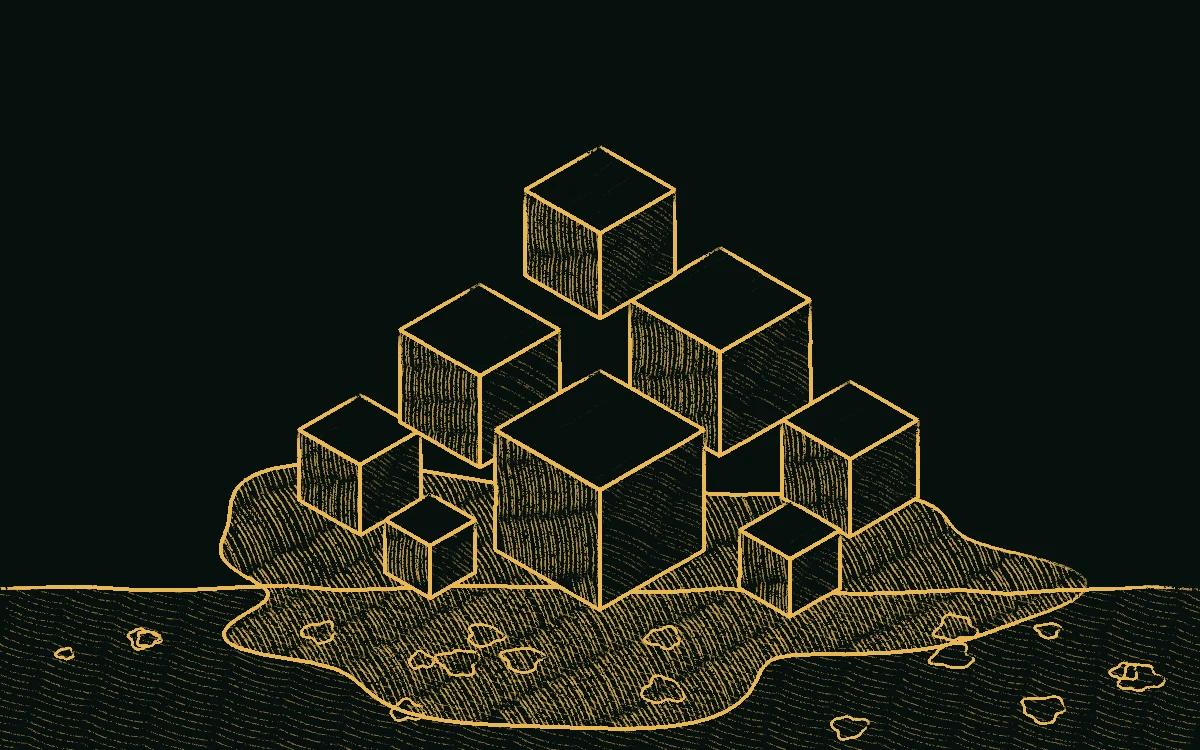
Most silver comes out alongside lead, zinc or copper, so you find it by tracing those ores, like the cubic crystals of galena.
- Galena. A lead ore that forms sharp cubes and often carries silver.
- Cubic faces. Their shape and metallic shine help you recognise it in the field.
- Host rock. Trace these ores through the rock and you are following the silver.
Copper gives itself away differently: by its colour.
Chapter 3 of 4
Copper turns green.
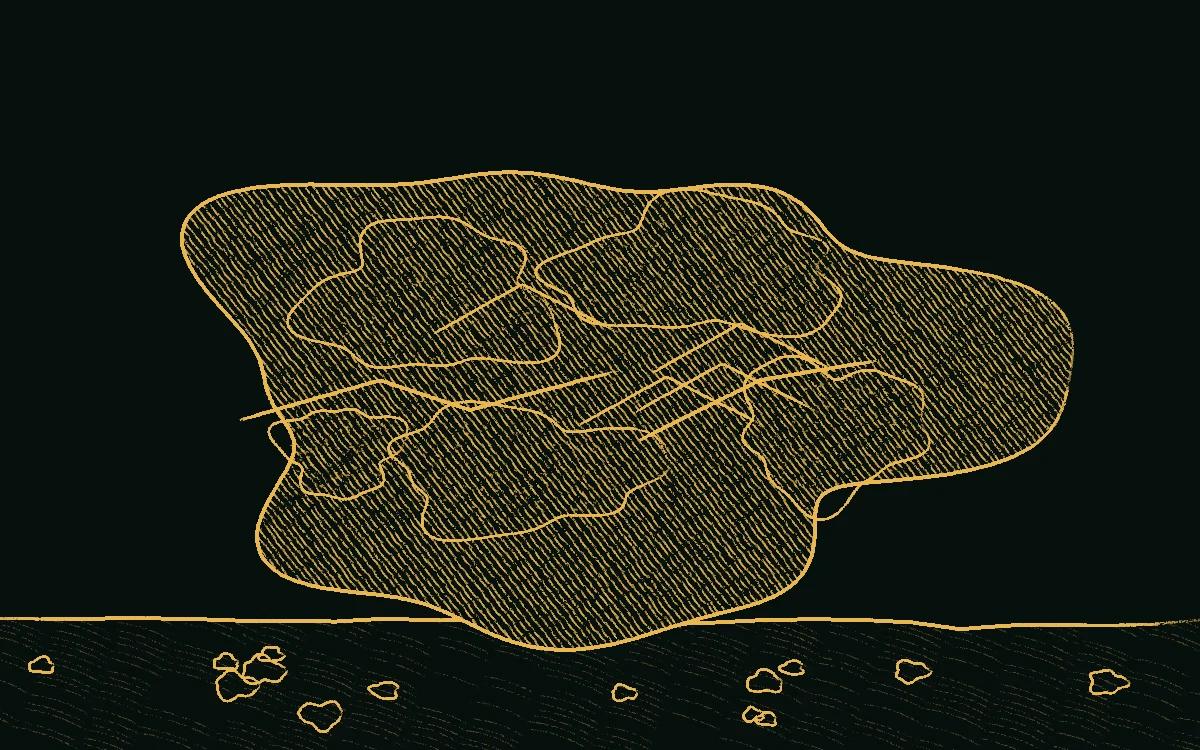
Near the surface, copper weathers into green malachite and blue azurite, a stain geologists learn to spot from a distance.
- Malachite. The green crust copper forms as it weathers.
- Azurite. A blue copper mineral often found beside malachite.
- Copper veins. Fresher ore lies deeper, under the weathered crust.
Each metal leaves its own clues. The right tools read all of them.
Chapter 4 of 4
Find all three.
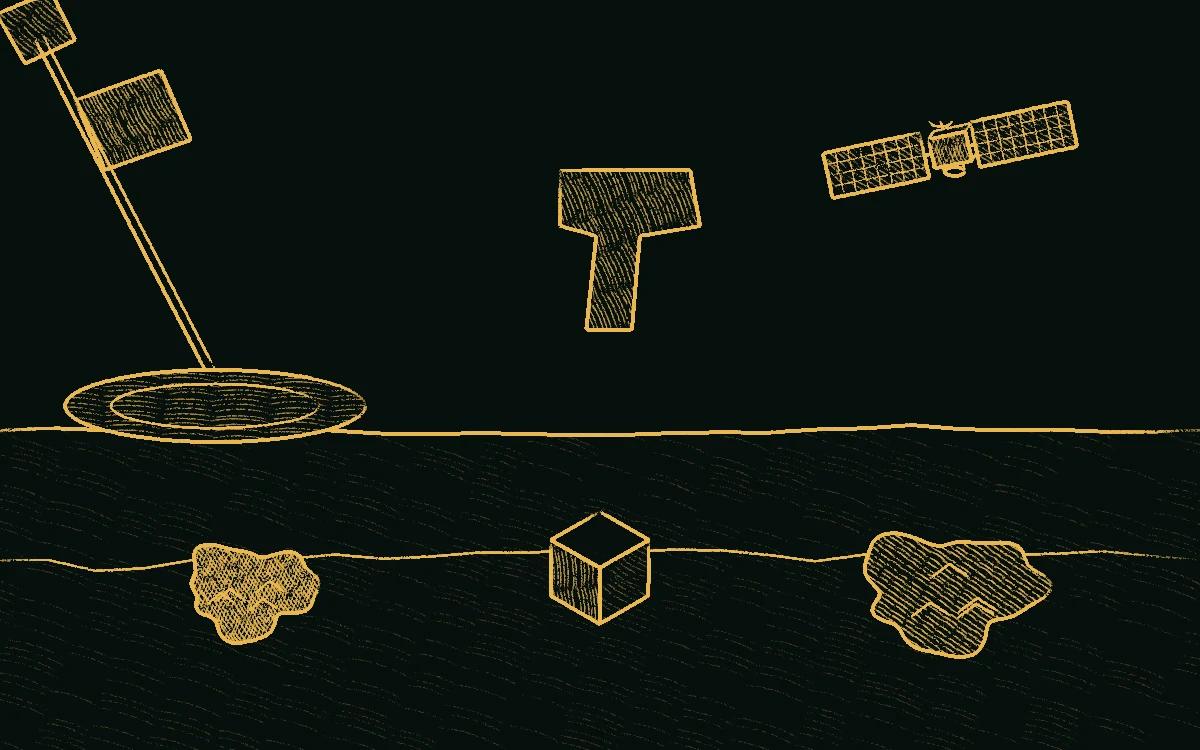
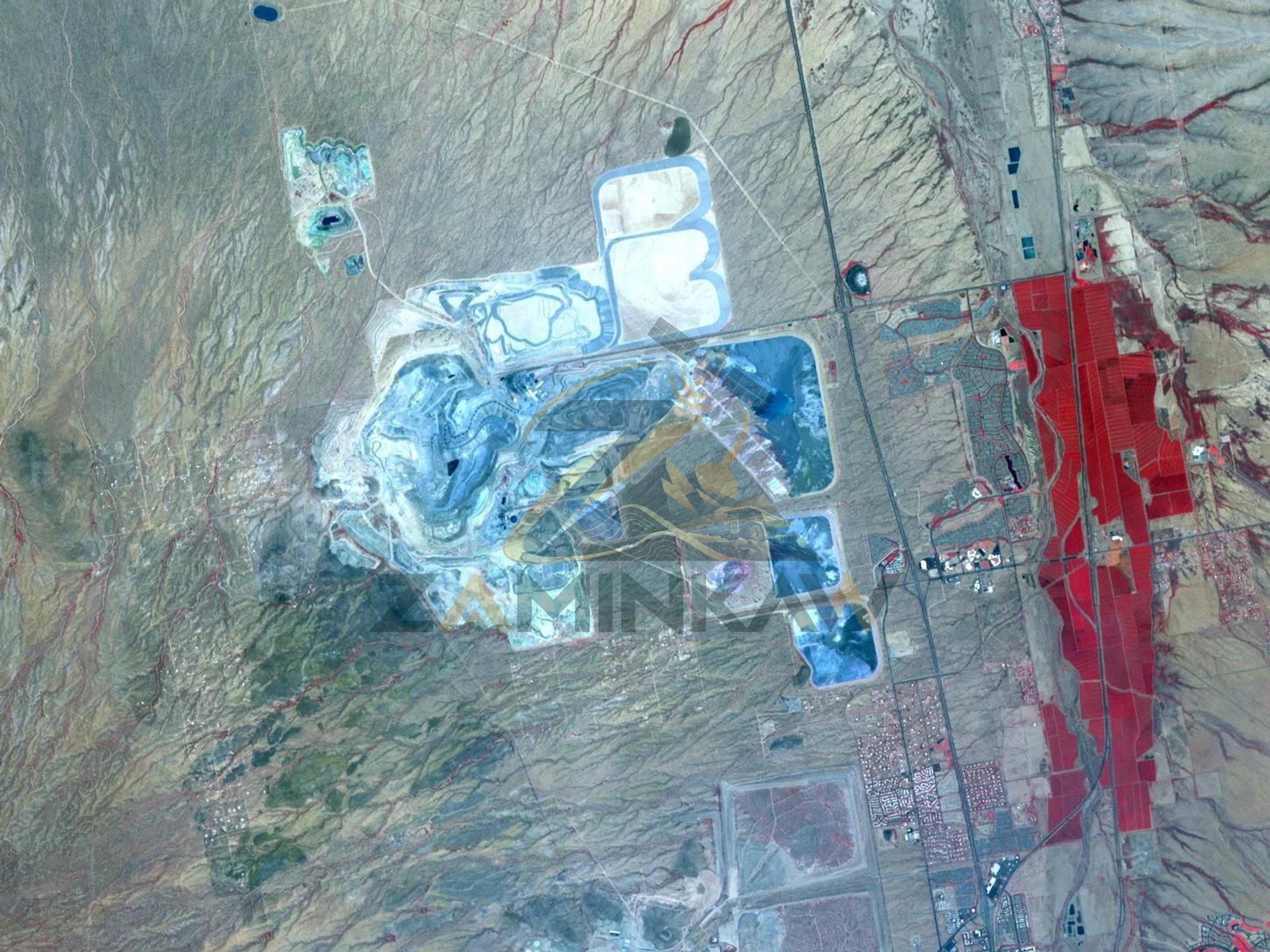
Detect them on the ground, assay them with portable XRF, and map the altered rock around them from orbit.
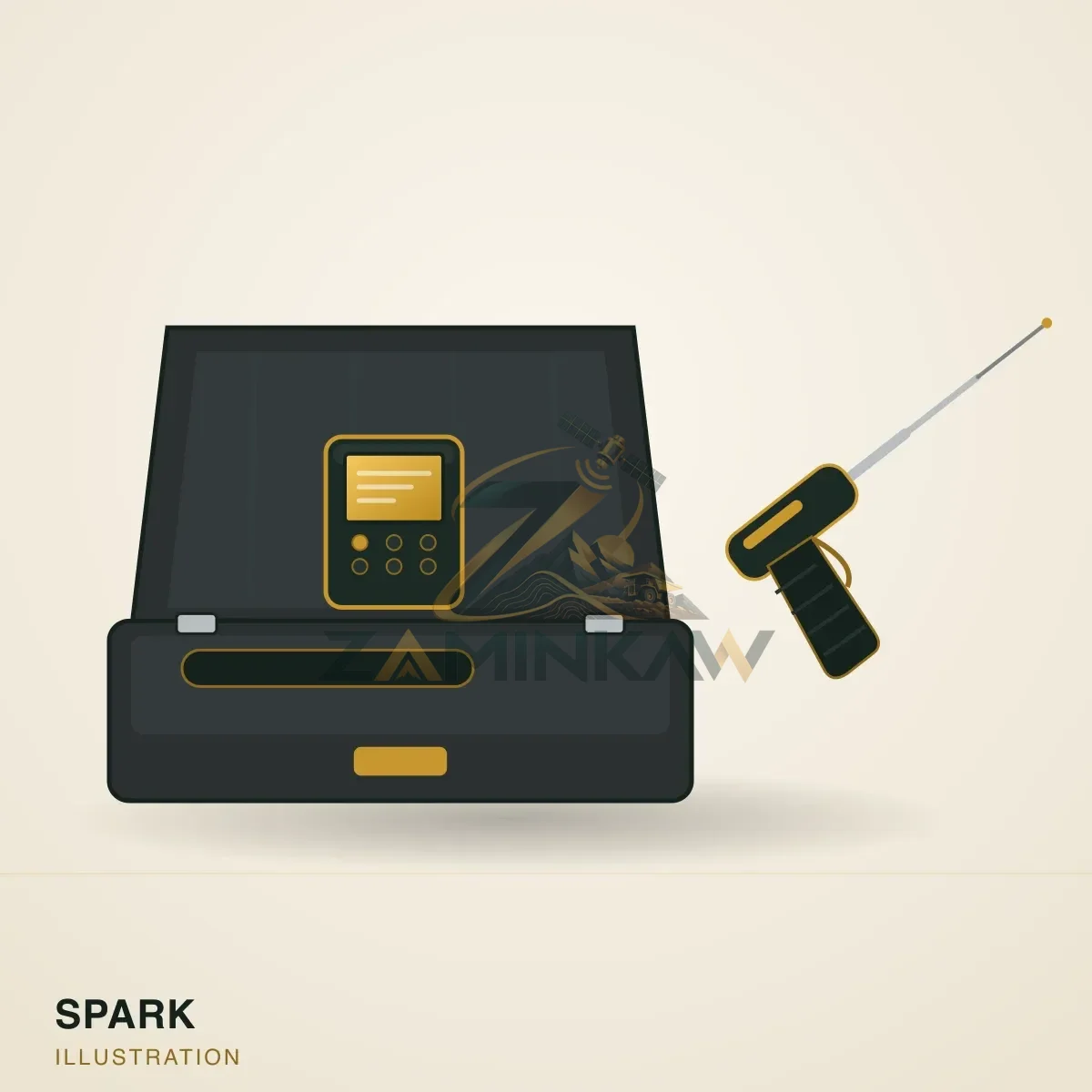
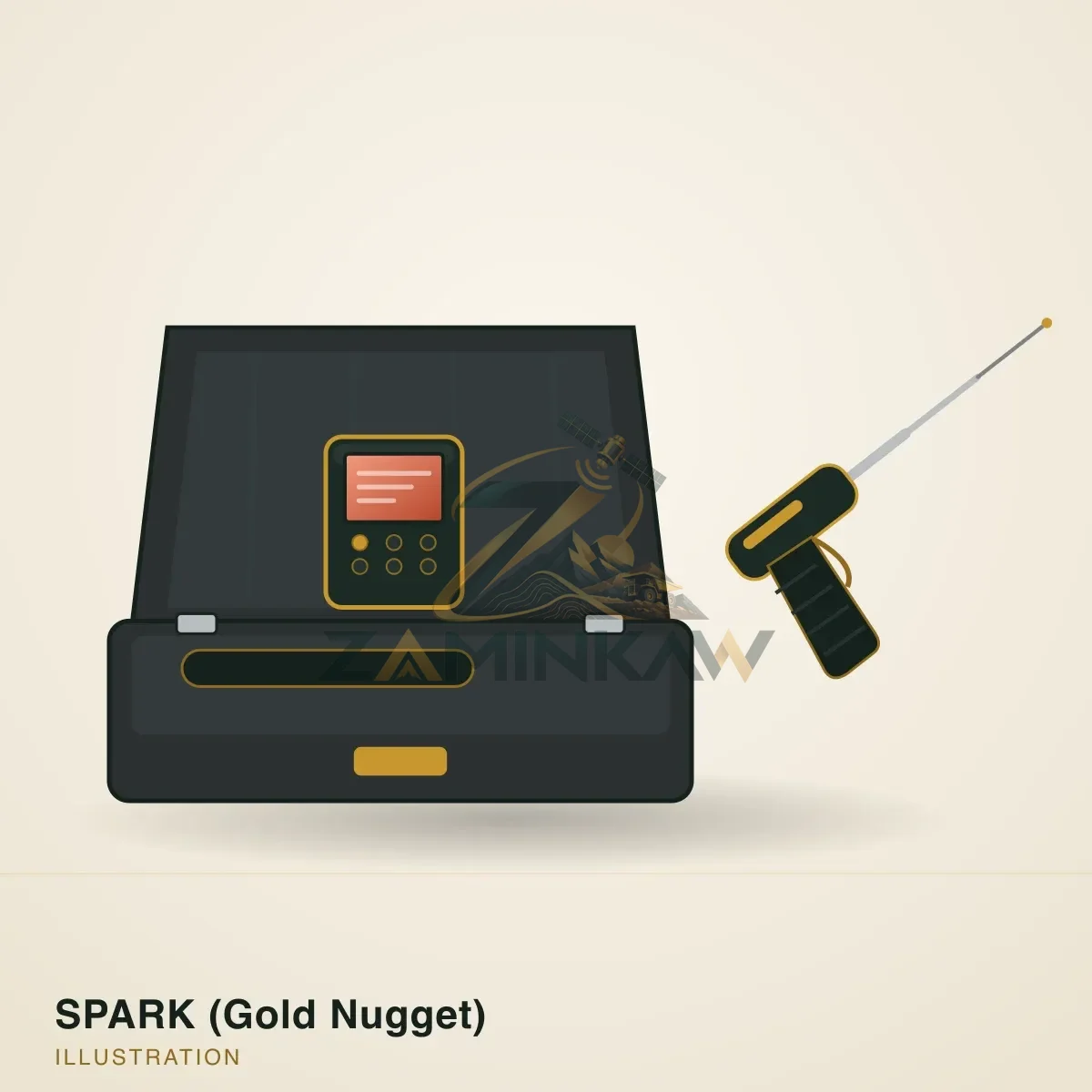
- Detect. A metal detector finds metal in the ground.
- Assay. Portable XRF reads which elements a sample contains.
- Map. Satellite imagery shows the altered rock around a deposit.
What we supply for this
Talk to a specialist
Describe the site, the target and the timeline. We reply with a plan and a price.
Next in the story